
Packaging Materials GUIDE

The paper used for a packaging box affects its stiffness, print appearance, suitability for finishing and overall production cost.
For digital carton printing, choosing the right substrate is an important first step toward consistent results.
The five paper types below cover a wide range of packaging needs, from cost-conscious boxes to premium gift packaging.
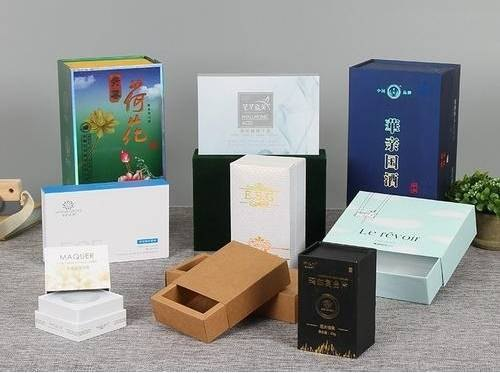
1. Common Types of Packaging Paper
The table below compares five commonly used paper types by their typical grammage, key characteristics and applications.
|
Paper type |
Common grammage |
Characteristics |
Applications |
|
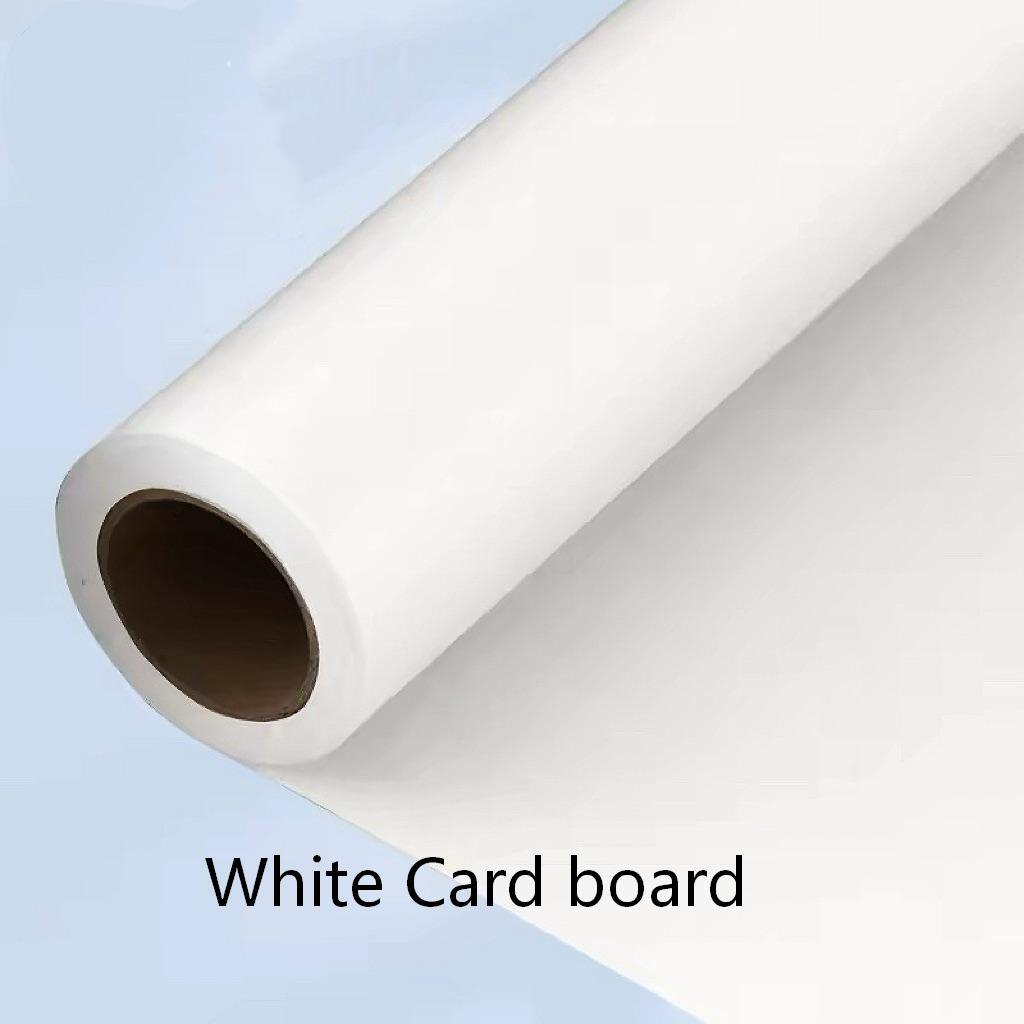
White card (SBS board) |
250 / 300 / 350 gsm |
Smooth surface, high whiteness and good print quality. |
Cosmetic boxes, food boxes and gift boxes. |
|
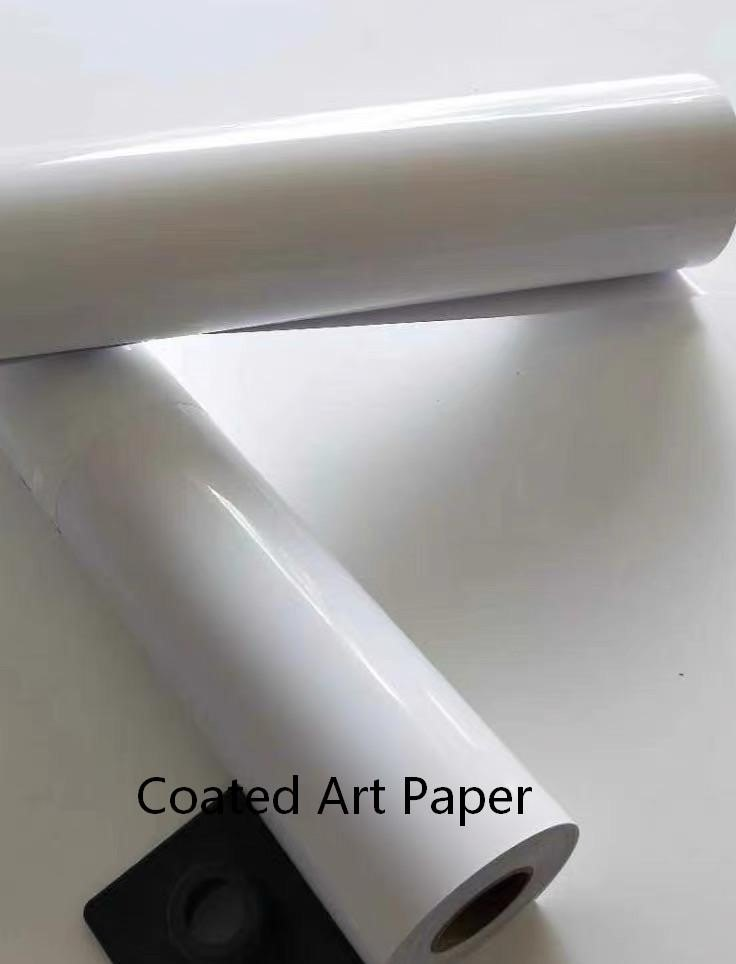
Coated art paper |
200 / 250 / 300 gsm |
Glossy finish and vivid colour reproduction. |
Premium product packaging and brochure covers. |
|
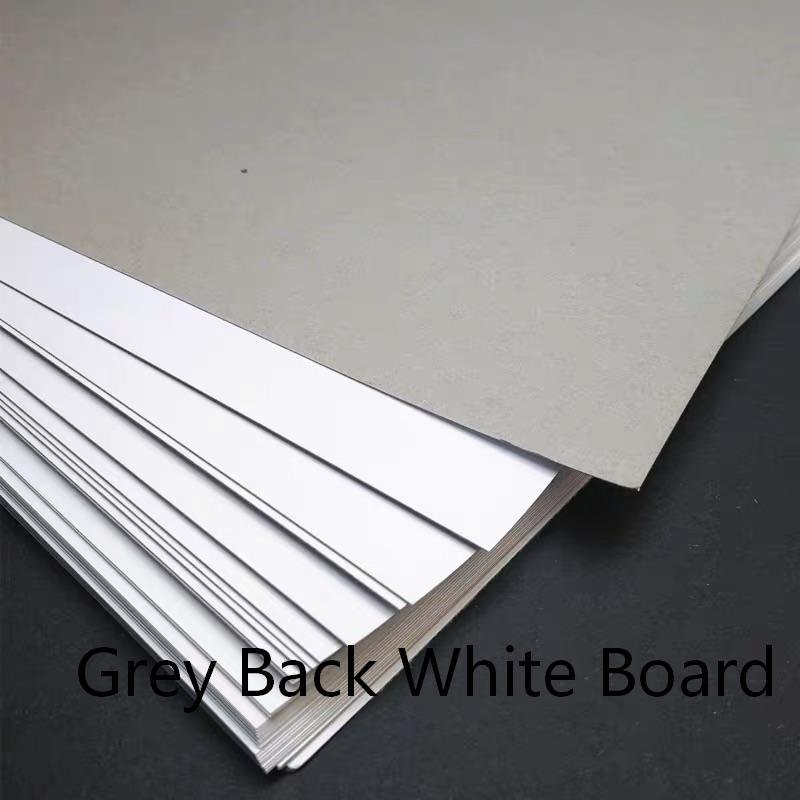
Grey-back duplex board |
250 / 300 / 350 / 400 gsm |
Good stiffness at a moderate cost. |
Standard product boxes and shipping boxes. |
|
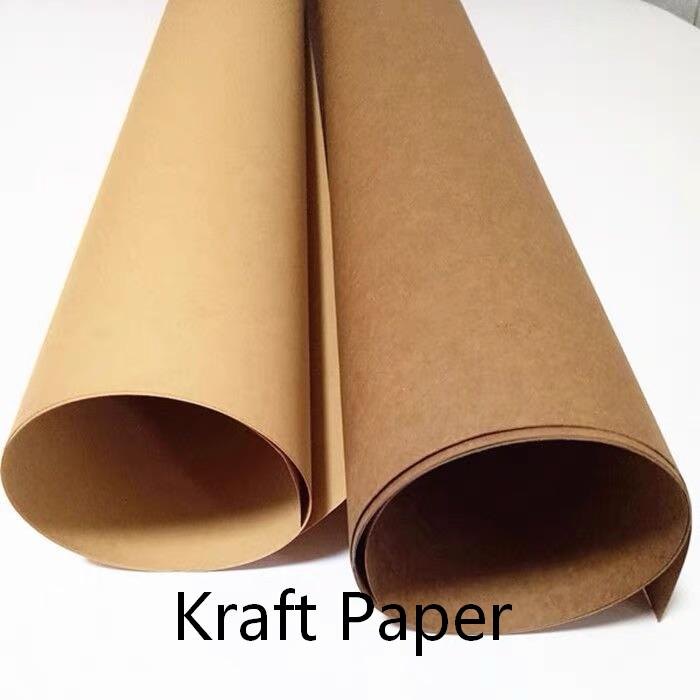
Kraft paper |
120 / 150 / 200 gsm |
Natural appearance and a rustic feel. |
Food packaging, tea boxes and handmade soap boxes. |
|
Specialty paper |
Made to order |
Pearlescent, soft-touch, textured and other special finishes. |
Premium gift boxes and luxury packaging. |
|
White card (SBS board) |
Coated art paper |
|
Grey-back duplex board |
Kraft paper |
|
Key recommendation White card is the most widely used substrate for packaging boxes because it balances print quality with converting performance. For a more premium look, coated art paper or specialty paper can add visual and tactile appeal. The digital printing equipment in this solution is configured for white card, which we can supply. For other paper types, we recommend a machine test before starting full production. |
2. How to Choose the Right Grammage
Grammage affects how rigid a box feels and how well it holds its shape. The most suitable option depends on the box size, product category and structural support required.
|
Grammage |
Positioning |
Suitable box styles |
Notes |
|
250 gsm |
A practical choice for lightweight packaging. |
Small accessory boxes, candy boxes and card boxes. |
Cost-effective for large runs. It folds well and is easy to form. |
|
300 gsm |
A common standard for folding cartons. |
Cosmetic boxes, food boxes and standard gift boxes. |
A balanced option with moderate stiffness and stable forming. |
|
350 gsm |
Suitable for medium and larger boxes. |
Gift sets, electronics boxes and wine packaging. |
Good stiffness and load-bearing performance, with a smooth surface for detailed printing. |
|
400 gsm |
For heavier, premium packaging. |
Luxury boxes, lid-and-base boxes and premium electronics packaging. |
High stiffness and a robust structure, with a substantial feel. |
- A Practical Note on Folding and Creasing
As grammage increases, the board generally becomes stiffer, but folding and creasing also become more demanding. For many folding cartons, 300 gsm is a versatile choice: it provides enough rigidity to hold the box shape while remaining manageable to crease and glue.
For boards above 350 gsm, especially when making lid-and-base boxes or gift sets that need extra structural support, the crease depth should be adjusted accordingly. If the crease is too shallow, the printed surface may crack along the fold.